oregon

Meet your massage therapist: Rachel Tate, LMT, SEP

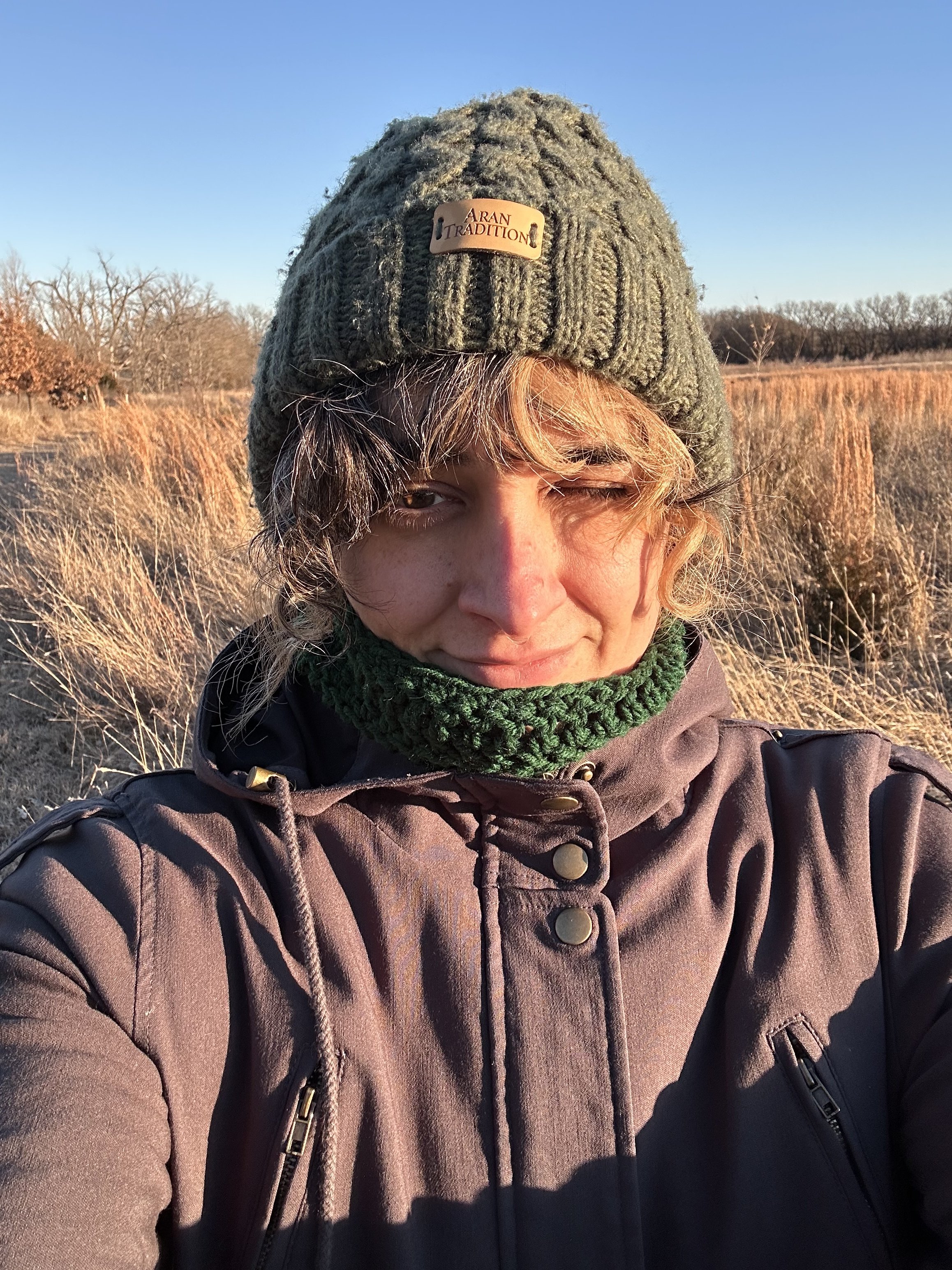
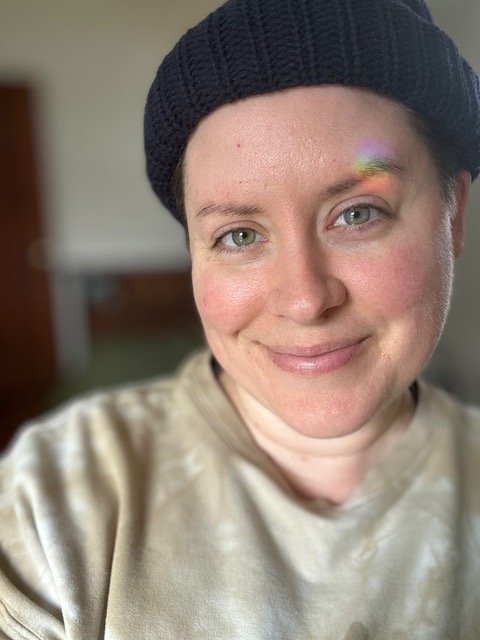
Rachel Tate (they/she) is the newest member of Team Turning Pointe and we are so excited to have them!

Rachel offers trauma-informed, integrative bodywork rooted in deep experience and a commitment to whole-person care. They weave together somatic, neuro-centric, and movement-based approaches to support nervous system regulation, reconnection, and healing. Grounded in education, empowerment, and inclusivity, their work creates space for meaningful transformation and a more connected experience of the body.

Check out their full bio here and continue reading below to get to know a little more about them!


Q: What inspired you to pursue the path of massage therapy? / What drew you to the study of manual therapy and massage therapy?

A: I was at the 10 year mark of working in health care in various settings and ready for a shift that allowed me to bring the quality of care I knew was missing in traditional health settings. I’ve been obsessed with body sciences since I was a kid, but once I started receiving regular massages and felt the benefits of body-care, I knew that was the path for me. I honestly didn’t have a plan beyond that, and studied as much as I could get my hands on when it came to manual therapy and haven’t looked back since. I am just as thrilled about this field today!

Rachel Tate, LMT, SEP


Q: What can a new patient expect in their first massage with you? / How would you explain your style of massage and bodywork to a new patient?


In our first session, individuals can expect to have a conversation that really gets to the heart of what care is desired, and what container we can create together to make sure needs are met. My style of bodywork is trauma-informed and centered on a bio-psycho-social approach that doesn’t leave any part of your experience out.


Q: Is there anything you'd like clients to know about you before booking?

I think the main thing I would like my clients to know about me before booking, is that I don’t have any expectations for how you show up, your experience, and what you need to feel comfortable in our time together. Please, show up as you are and I will do my best to meet you where you’re at.


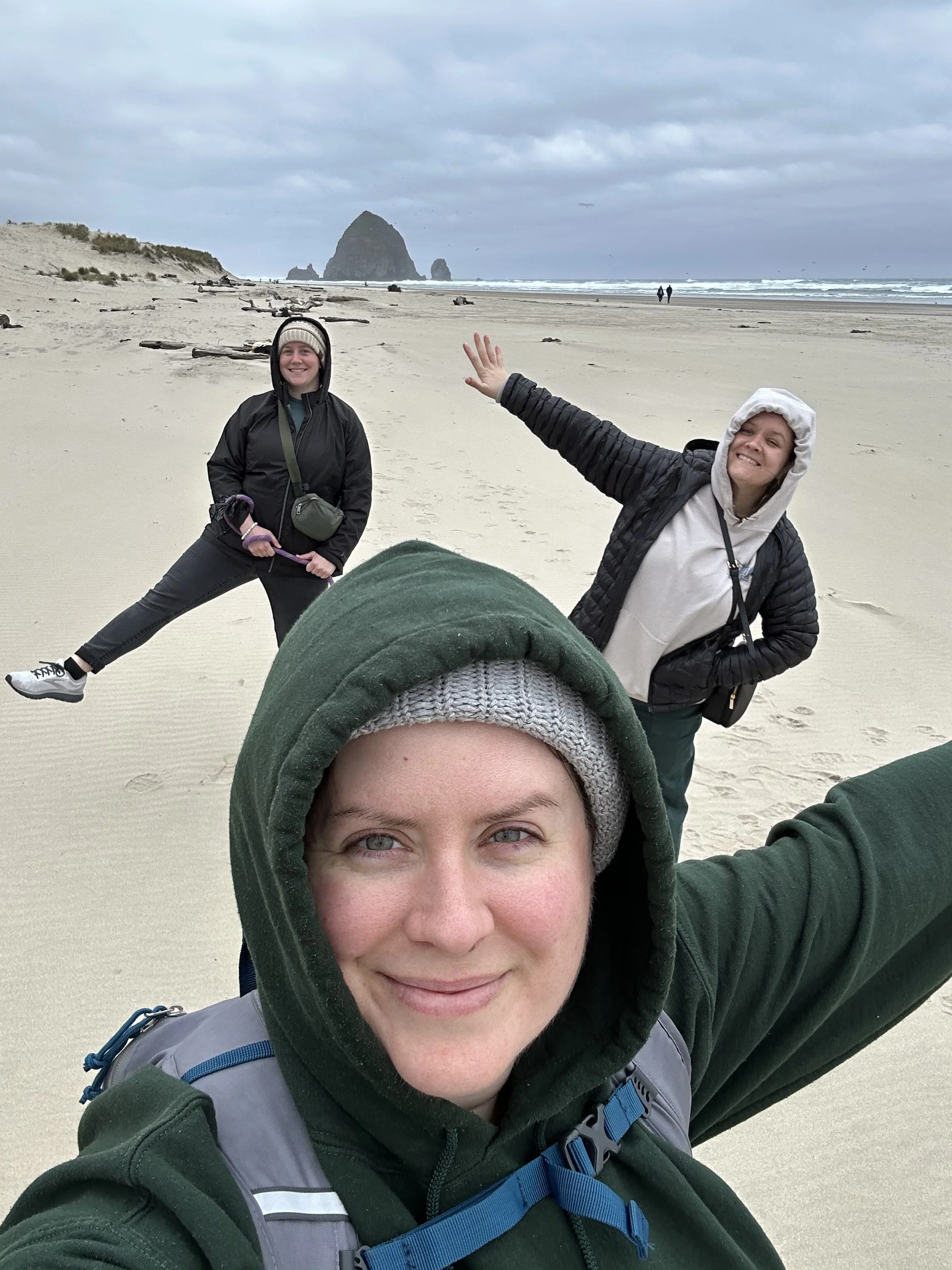
Rachel with their sisters at the coast.

Q: What is something you've learned over your years of practicing massage therapy that has surprised you?

Manual therapy can not rearrange tissue, no matter how hard you try - in fact, the body tends to push back and create more tension with techniques that push past that boundary. This is not to say that deep tissue is off the table (pun intended), rather it’s different from what we’ve previously been told. Evidence based manual therapy practices center the nervous system, and honor the signals.


Q: How do you approach complex cases with issues like chronic pain or multifaceted injury?

We start with what’s loudest, and usually (but not always) that's the emotions around that experience. Sometimes chronic pain, or sensations from an injury create a panic that sticks to the pain signals. Almost like they get stuck together. In this case, I’m interested in seeing if we can separate them and create a bit of space inside that complex experience. That’s just pain science in practice.


Q: How do you most enjoy spending your time outside of the clinic?

I am a simple, nature loving, home-body. 9/10 I am gardening, walking in the woods, lifting heavy things, or cooking a meal at home with my family. I do travel on occasion and love to get out to the coast when I can!


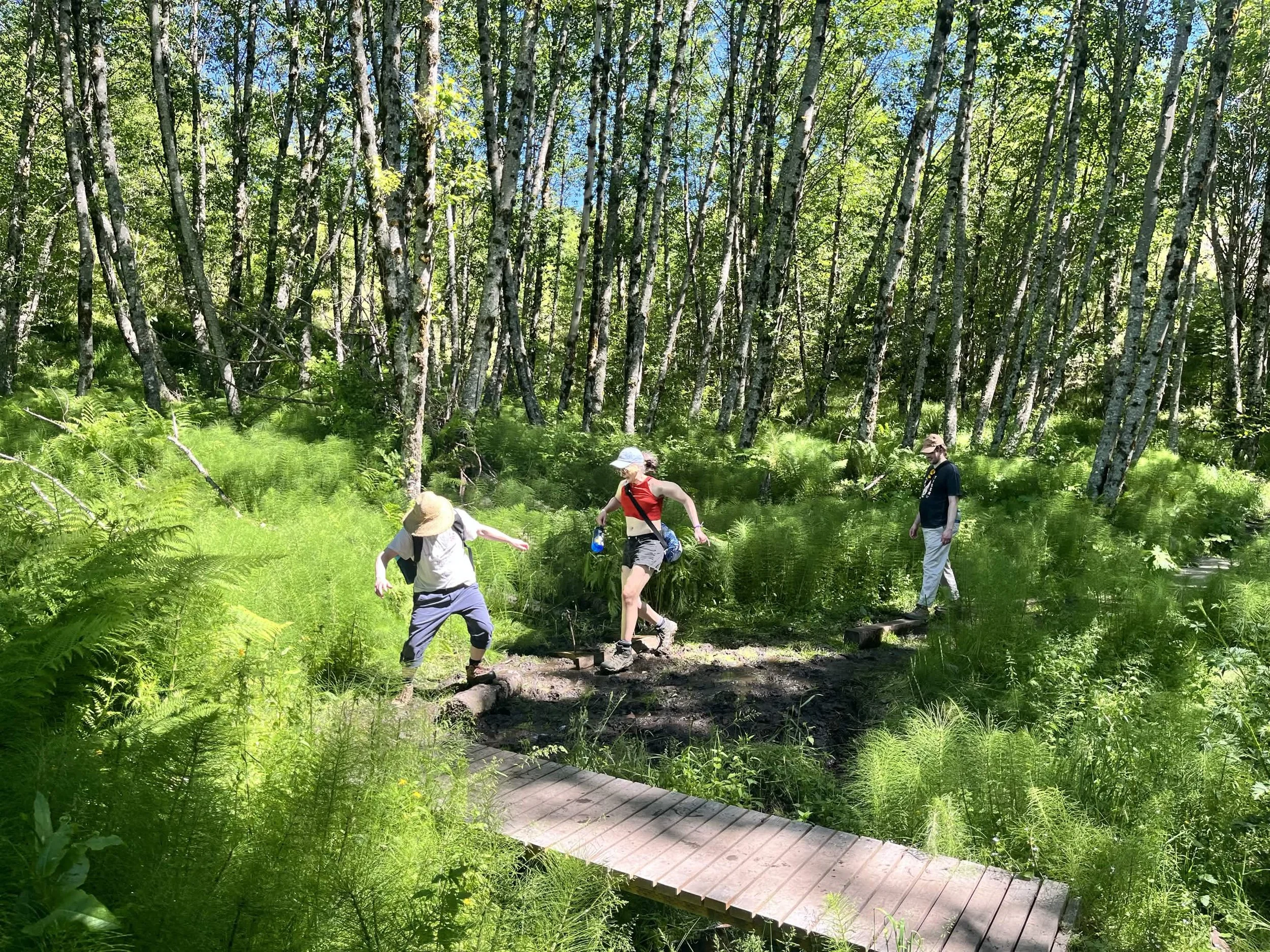
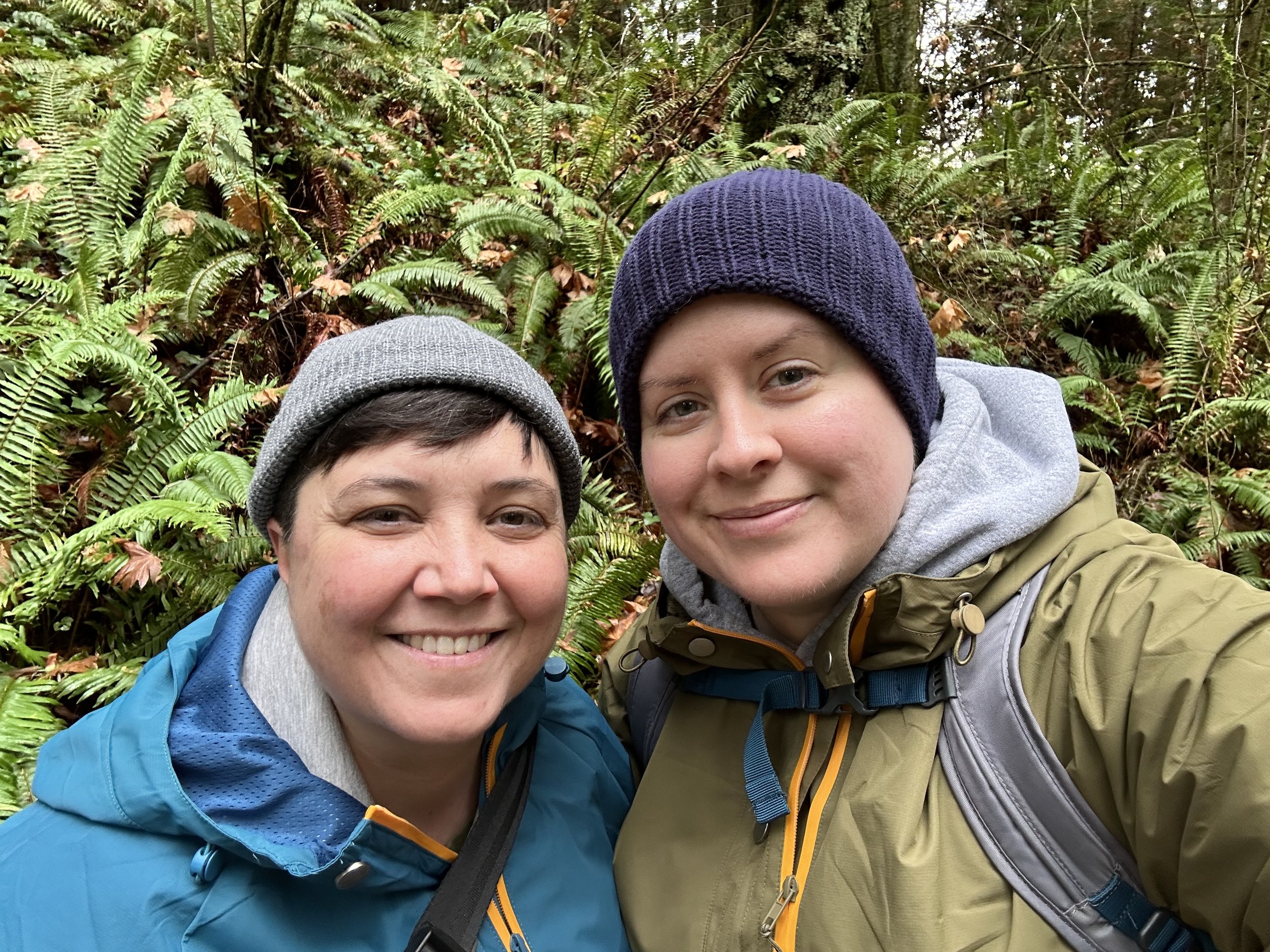
Rachel on a hike with their partner, Abigail.


If you’ve been experiencing chronic pain, seeking trauma recovery care, needing autoimmune illness support, or requiring hypermobility treatment, book an appointment with Rachel today!


Meet your sound healer: Taylor Papp

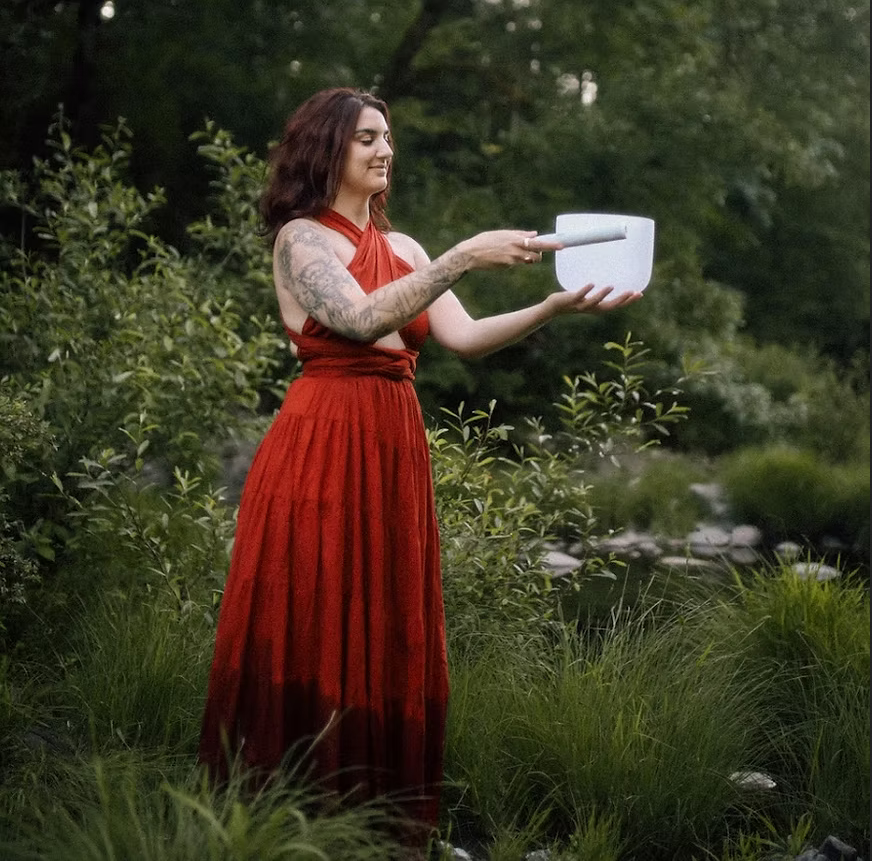
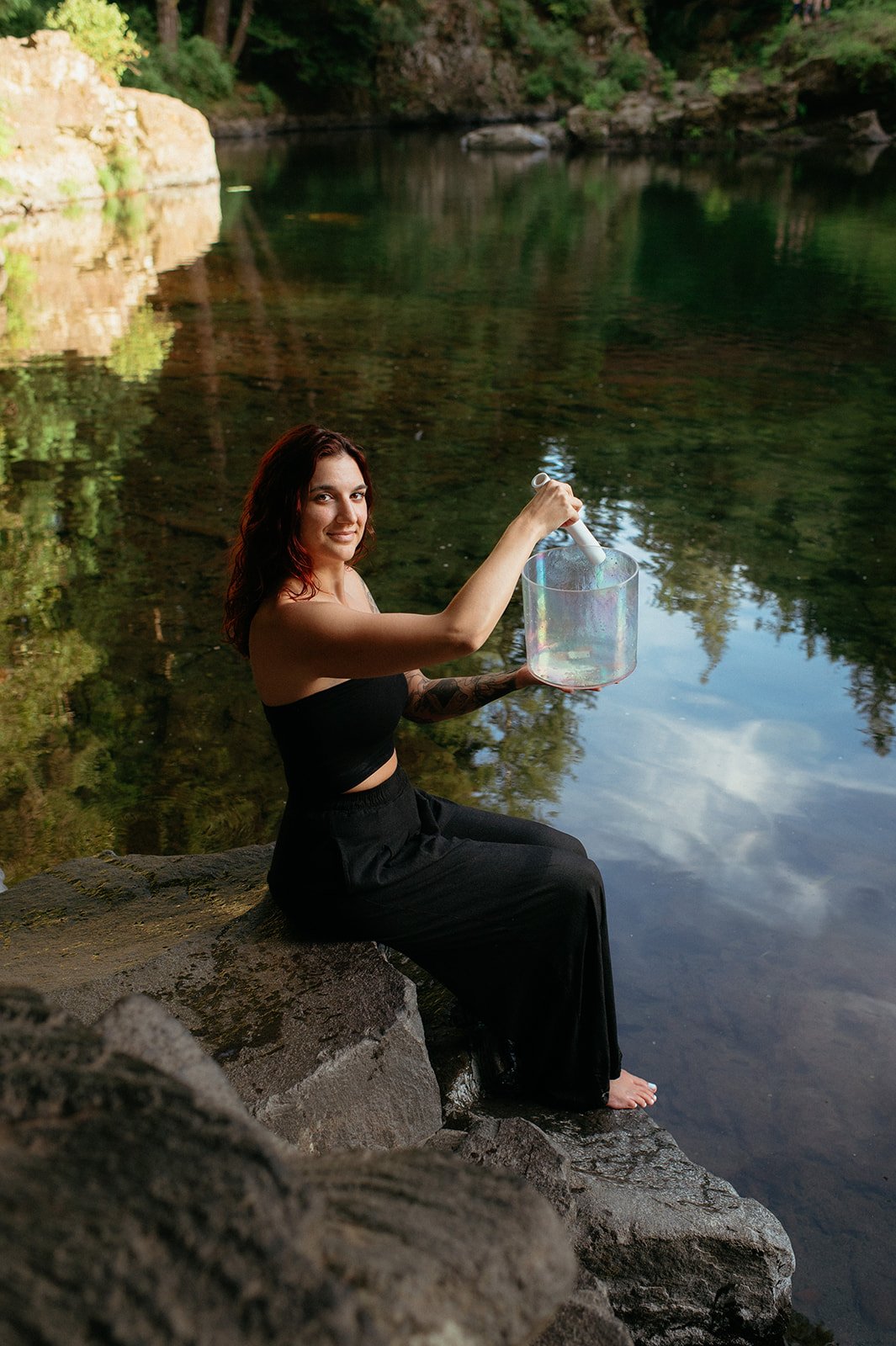
We at Turning Pointe are so excited to begin offering group classes and private sessions with certified sound practitioner Taylor Papp!

Taylor offers immersive healing experiences through music and vibration. She blends ancient and modern sound modalities to support deep alignment and connection. Rooted in community, her work fosters healing, belonging, and transformation.

Check out her full bio here and continue reading below to get to know a little more about her!


Q: What brought you to the sound healing field and what is important to you about providing this service to your community?

A: Music has been woven into my life for as long as I can remember. I started playing violin and singing at ten, then slowly taught myself piano, guitar, and eventually the many healing instruments I use today. Even as a kid, I understood that music was something primal — a universal language that could reach people in ways words couldn’t. I always imagined I’d become a music teacher, and while life took me in other directions, it feels natural that I’ve returned to music now through sound healing.

What ultimately brought me into this field was recognizing that sound could be more than creative expression — it could be a pathway home to oneself. What matters most to me now is offering my community the same sense of safety, belonging, and inner harmony that music has always given me. 


Q: What would you say to someone in our community who’s thinking about coming to their first session?


If someone is thinking about coming to their first session, I’d tell them that sound healing is truly accessible to anyone. You don’t need any experience or an understanding of how it works — you simply come as you are, lie back, and receive. It’s one of the most powerful and non‑invasive healing modalities because the sound does the work for you.

I often joke that sound healing is a “hack” to meditation: you get all the benefits of deep rest and nervous system regulation without having to put in any of the effort. It’s a beautiful option for anyone wanting to quiet the mind, ground the body, and feel a greater sense of inner harmony.


Q: What can folks expect in their sessions with you?

The experience itself is deeply meditative, often landing people in that dreamy space between waking and sleep. Emotions, physical sensations, or visuals may arise, and all of that is welcome. If nothing comes up, that’s completely normal too. My intention is always for you to feel seen, held, and gently guided throughout the journey.

One thing that makes my sound baths a little different is that I incorporate intuitive vocals. Because I’m a musician and singer, I often accompany the instruments with my voice, letting the energy in the room shape the tones and textures. Many people find that the vocals add a grounding, human element to the experience.

The most important thing is that you feel safe and supported in the space I’m creating. You can come exactly as you are; the sound will meet you right where you’re at.


Q: What do you love most about working with people in a group sound healing setting? 

It is always so sweet to see how moved people become after experiencing a sound healing. I love witnessing the shifts that happen from before the offering to after. It’s powerful to see what people arrive carrying — tiredness, stress, hesitation, overwhelm, disconnection — and then feel how different the room becomes by the end. Even without words, you can sense the softening. Shoulders drop, hearts open, and the energy grows lighter. People often leave as though they’re stepping out of a soft dream, more at ease, more spacious, and a little more at home within themselves. That transformation, whether subtle or profound, is what keeps me doing this work.


Q: How has your approach or style changed throughout your years of practice?

While I’m still early in my career and always growing, I’ve learned that silence and simplicity often have the most impact. Giving the body room to settle is sometimes more powerful than filling the space with sound. One clear tone can land more deeply than a whole stack of layers.

Because of that, my style has become more intuitive and spacious over the past couple of years. I let the energy of the people in the room — and the environment we’re in — guide what I play, how I play it, and when certain sounds want to come through. It’s less about doing and more about listening deeply and responding to what’s needed in the moment.


Q: What's your favorite way to spend a Saturday? How do you fill your cup?

Rest and play are the best ways to fill my cup. My ideal Saturday is spent sunbathing on a warm day, somewhere by the water or out in nature. But since we’re in the PNW and sunshine isn’t always guaranteed, I have plenty of other ways I recharge depending on the season of life I’m in. Yoga, making music — whether that’s playing in the park or going to a show — spending time with my loved ones or my cats, baking, crocheting, reading… I love learning, creating, and being in community. Those simple joys are what keep me feeling nourished and inspired.


On the last Saturday of each month, Taylor will be collaborating with Alissa Lamb, LAc, to offer a group Sound Healing Journey at Turning Pointe Acupuncture + Wellness.

Following each Sound Healing Journey on the last Saturday of each month, Taylor will be offering a group Restorative Sound Bath.

Taylor also offers private one-on-one and couples sound healing sessions.


Why you should add acupuncture to your training routine

Why you should add acupuncture to your training routine

More and more athletes, from professional football players, to olympic swimmers, to marathon runners, are adding acupuncture to their training and recovery regimens. Read below for 5 reasons why you should try acupuncture as you prepare for your next race or amp up your workout routine.